I Rebuilt My Bundler Plugin Because Your Joomla Site is Embarrassingly Slow
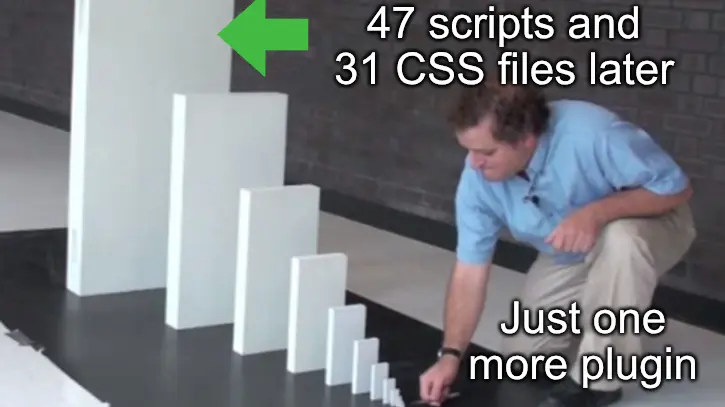
Yes, I know yours is loading 47 JavaScript files. I can hear it from here. It sounds like a dial-up modem having an existential crisis.
Look, I'm not here to make friends. I'm here to tell you that your Joomla site is probably loading more JavaScript files than a 2010 WordPress blog running 40 SEO plugins and a cryptocurrency miner, and that's just sad.
Read more: I Rebuilt My Bundler Plugin Because Your Joomla Site is Embarrassingly Slow
SEO Friendly Tabs with details/summary
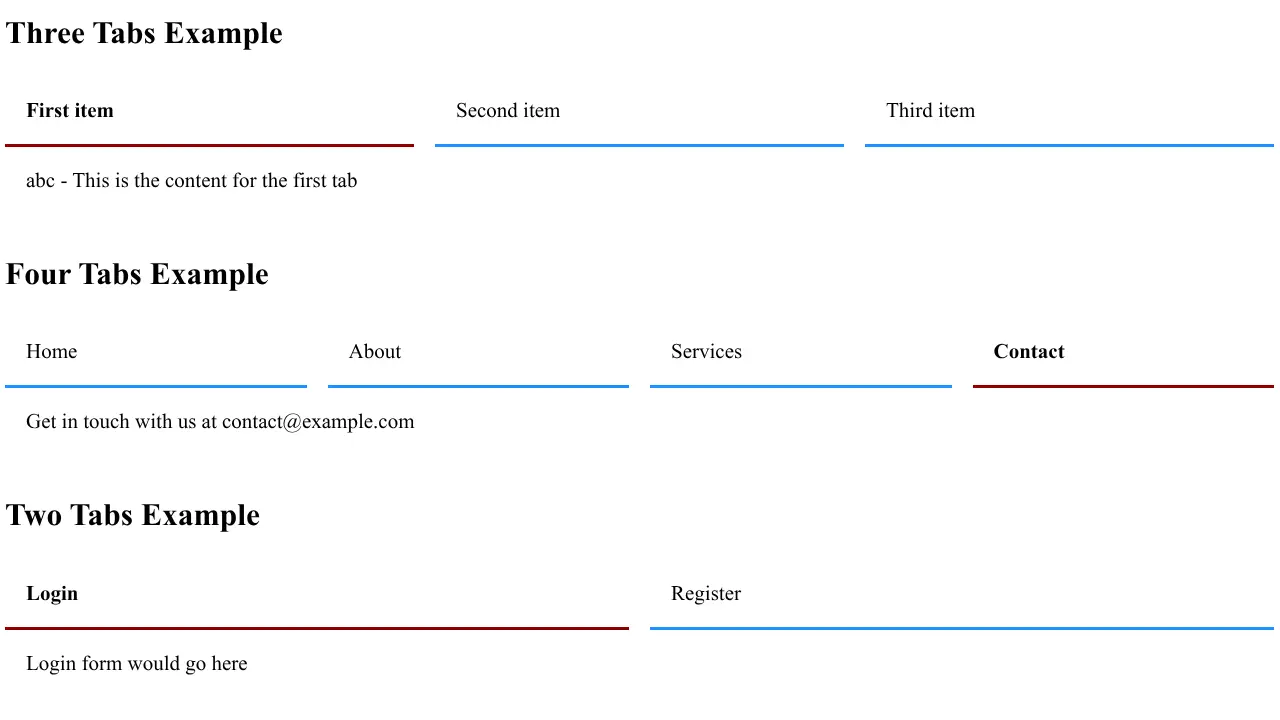
We love Bootstrap, but its tab implementation has been hurting SEO for years. Here's a modern, pure-CSS solution that search engines actually understand. What we needed was SEO friendly tabs, so we made some.
HashCash: Free, Privacy-First CAPTCHA for Joomla in 2026

If you're managing a Joomla site and hunting for a reliable CAPTCHA solution that prioritizes privacy, compatibility, and ease of use, you've likely sifted through a cluttered field of outdated plugins, paid tools, and external service dependencies. Enter Captcha - HashCash, a standout in the Joomla Extensions Directory (JED), offering a self-hosted, invisible, proof-of-work approach to bot blocking. This plugin isn't just a stopgap; it's a game-changer for Joomla 5 and Joomla 6 users who value website security without sacrificing user experience or GDPR compliance. Let's break down why HashCash tops the list of free CAPTCHA extensions heading into 2026 and how it addresses the modern needs of Joomla CMS administrators.
Read more: HashCash: Free, Privacy-First CAPTCHA for Joomla in 2026
Ad Block Detection for Joomla Updated
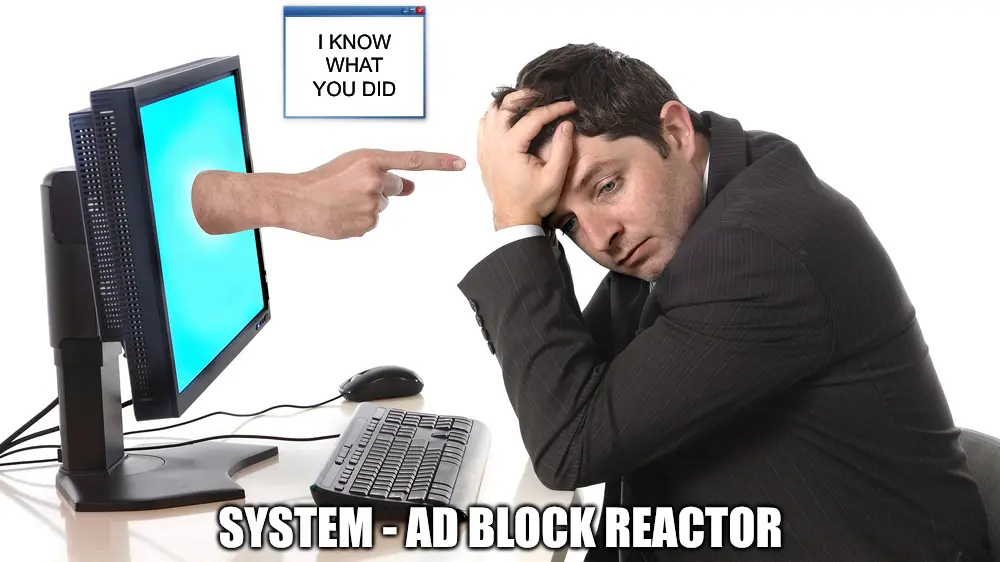
System - Ad Block Reactor has received a complete modern rewrite for Joomla 4, 5, and 6. This isn't just a maintenance release—it's a ground-up rebuild with cutting-edge, evasion-resistant detection that holds up against the smartest blockers out there. For content creators, bloggers, news sites, and anyone relying on ads to keep the lights on, this plugin couldn't come at a better time.
HashCash Web Worker Revolution
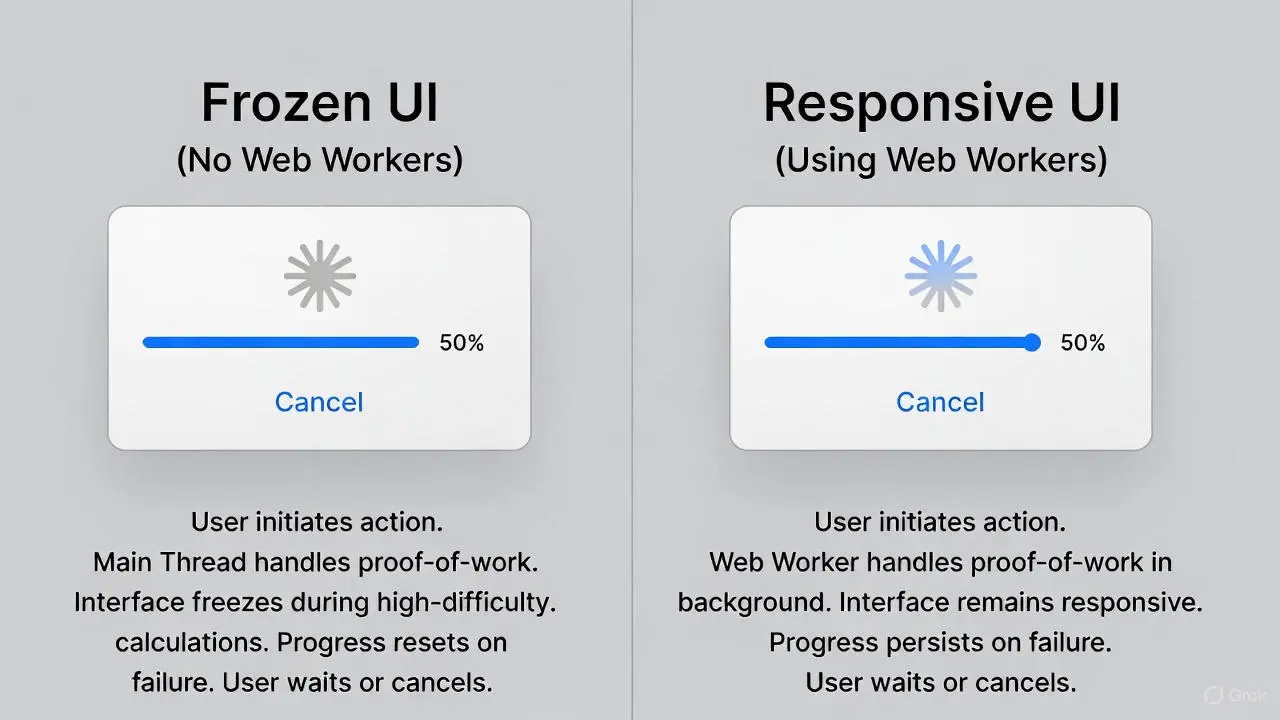
I'm excited to announce the release of Captcha - HashCash version 5.5.0 – a major upgrade that finally banishes one of the last remaining pain points using a web worker: UI freezes during high-difficulty proof-of-work calculations.
If you've ever cranked up the difficulty (or enabled "punish" mode for detected bots) and watched your form page turn into a beach ball spinner... this update is for you. Joomla deserves a world-class CAPTCHA, and this plugin is the real deal.
WebGL Backgrounds for Faster Page Loads

As webmasters, we’re constantly on the lookout for ways to improve site performance and enhance user experience without sacrificing visual appeal. Animations, while engaging, often come with a hefty price in terms of file size and bandwidth, leading to slower page loads and potential SEO drawbacks. Enter WebGL, a powerful technology that can revolutionize how we handle animations on the web. By leveraging the GPU for rendering, WebGL, combined with shaders, offers a lightweight alternative to traditional formats like AVIF, WebP, GIF, and MPEG-4, significantly reducing load times. In this article, we’ll explore how to use WebGL for animations, address common performance pitfalls, and provide actionable strategies to optimize your site for speed and accessibility.
Page 3 of 7