Generator Tag: Claim Your Joomla Sites
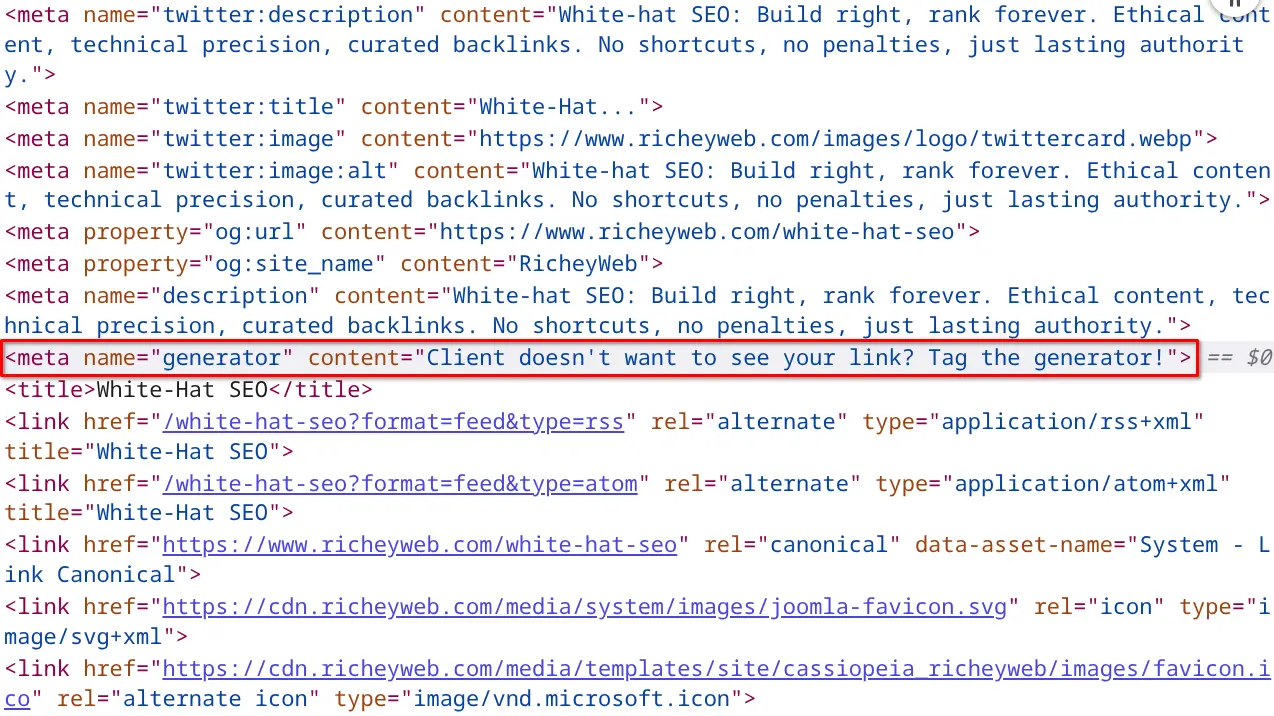
You build websites. You pour hours into custom themes, tweak extensions, and optimize every line of code. But how do you prove it's yours? A footer credit? Too obvious. A hidden comment in the HTML? Clunky and easy to miss. Enter the generator meta tag. It's sitting there in the head of most Joomla pages, whispering the site's origin story to anyone who peeks at the source code. By default, it shouts "Joomla! 5.x.x" or whatever version you run. Useless for SEO, sure. But ripe for repurposing.
Canonical HTTP Headers for RSS Feeds
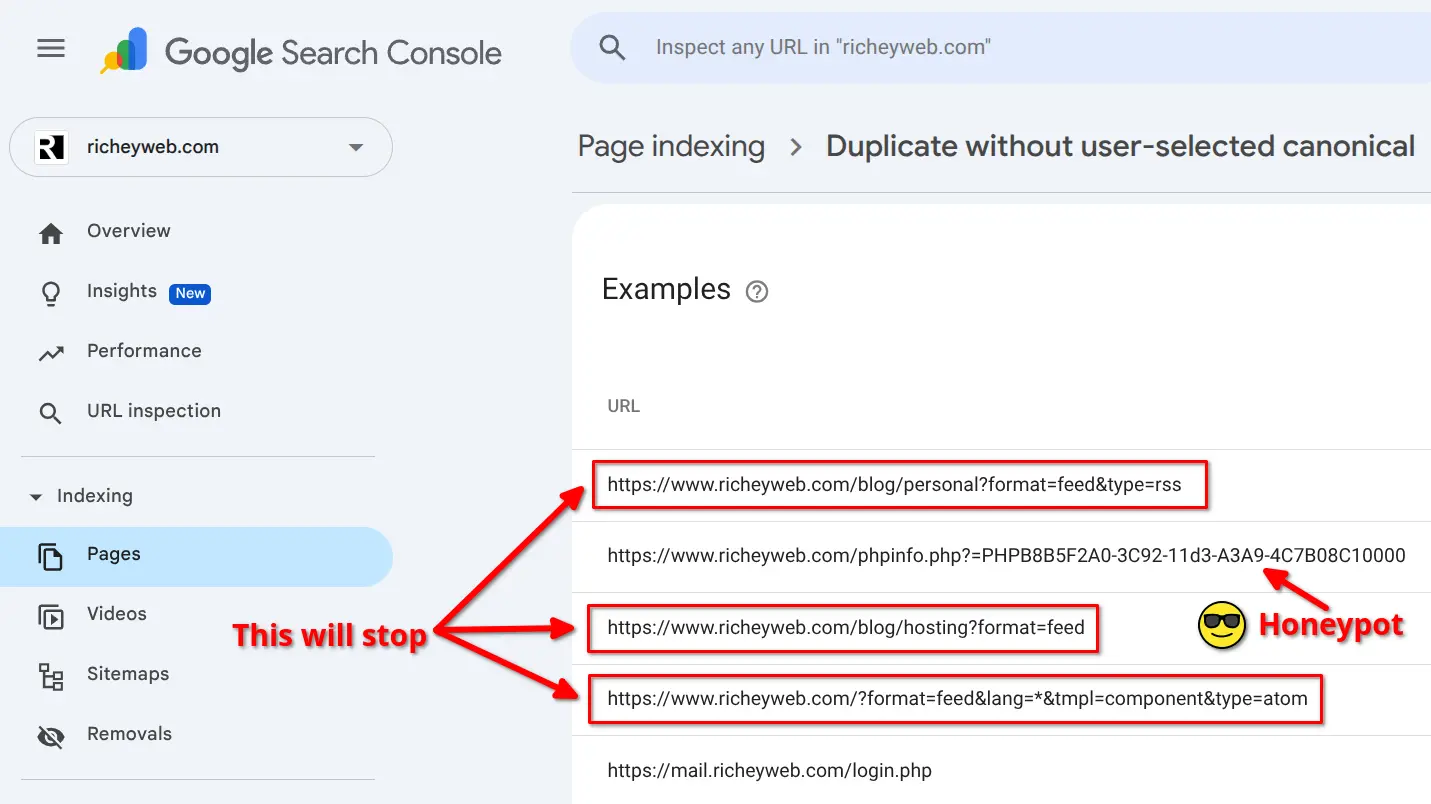
System - Link Canonical Version 5.3.0+ introduces support for adding canonical URLs to RSS feeds via HTTP Link headers, addressing Google Search Console's "Duplicate without user-selected canonical" errors for feed URLs (e.g., https://www.example.com/blog?format=feed&type=rss). Since RSS feeds lack an HTML <head> for traditional <link rel="canonical"> tags, the plugin now dynamically injects a Link header per RFC 5988 to specify the preferred canonical URL.
One Sh*tty Email That Made Me Finally Do Something About Spam
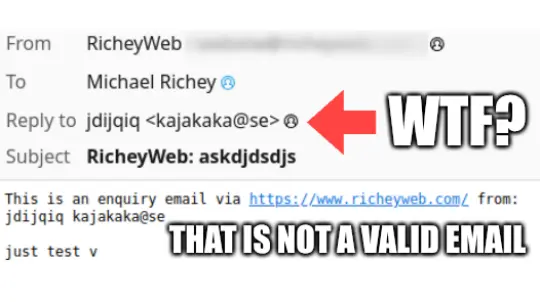
So, on May 25, 2025, I got this absolute gem of an email through my RicheyWeb contact form. Check this out: “From: RicheyWeb”, but the reply-to was “jdjiqk <kajakaka@se>”. Subject? “RICHEYWEB: askjdSjs”. Body? “This is an enquiry email via https://www.richeyweb.com/ from: jdjiqk kajakaka@se just test v”. I’ve dealt with spam before, but this one? This one pissed me off enough to actually do something about it.
Read more: One Sh*tty Email That Made Me Finally Do Something About Spam
Did I Just Solve Joomla Bot Spam With HashCash?
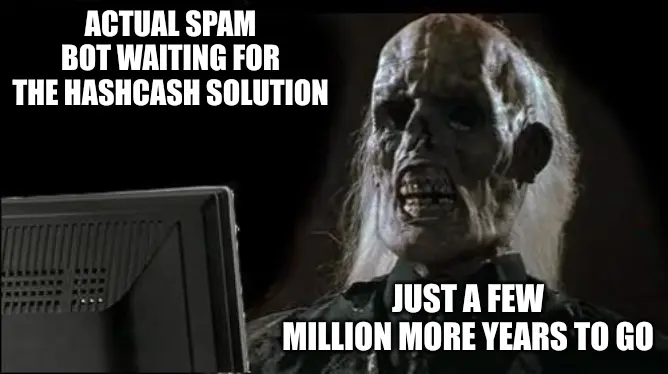
Eleven years ago, I stumbled across a technical paper from 2002 by Adam Back. It was about HashCash—a proof-of-work system designed to make spammers’ lives miserable by forcing their machines to grind through heavy calculations. I thought, “This could work for bot spam in Joomla forms,” and built my first Captcha - HashCash plugin. Little did I know, someone else had tried it before me—and their version vanished after landing on the CVE list in 2006. If I’d known, I might’ve picked a different name. But that’s ancient history, and my HashCash? It’s still kicking.
Page 5 of 9