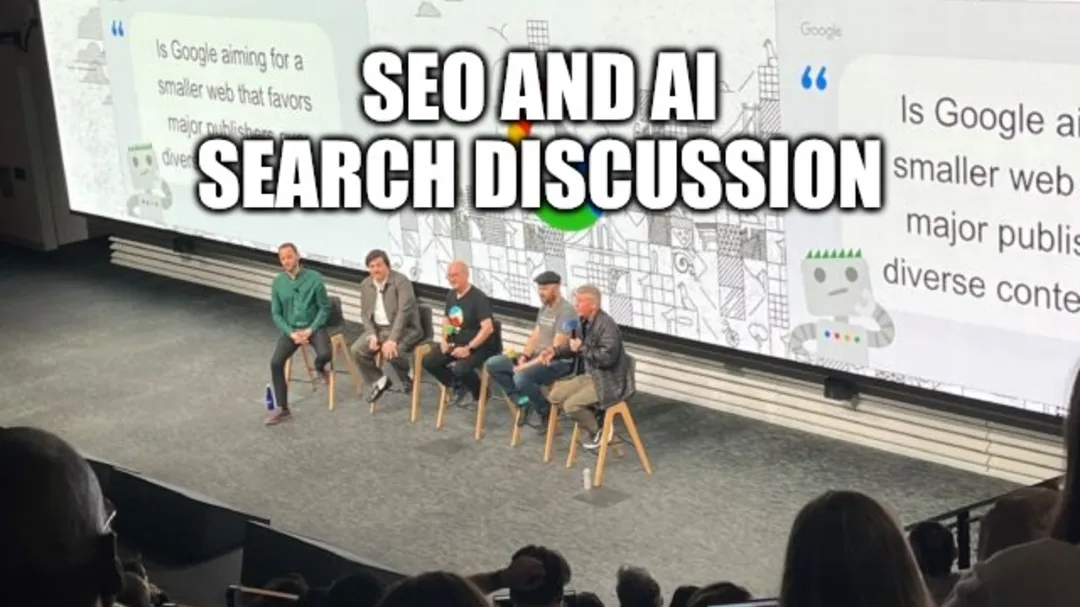
Google's Search Off the Record podcast, featuring Search Advocate John Mueller and Danny Sullivan, delivers a refreshing reality check: traditional Search Engine Optimization principles remain rock-solid, with the enduring emphasis on creating genuinely helpful, people-first content. Dismissing short-term hacks and overblown guarantees, the discussion reinforces that emerging AI-driven formats are simply extensions of core SEO, rewarding authenticity over gimmicks. Inspired by this candid insider perspective, this article distills official Google guidance into actionable strategies for optimizing your site, vetting SEO professionals wisely, and thriving in AI experiences—equipping small businesses and enterprises alike with a sustainable path forward.
Search Engine Optimization remains the cornerstone of online visibility, but with AI reshaping how people discover information, many site owners wonder if traditional SEO still applies. The good news is that Google's core principles have not shifted. Focus on creating helpful content for users, and you'll build a foundation that stands strong amid these changes. Drawing from official Google guidance and expert discussions, this article breaks down practical steps to optimize your site, hire the right SEO professionals, and adapt to emerging AI-driven search experiences. Whether you're managing a small business or scaling an enterprise, these strategies offer a clear path forward.
Understanding Search Engine Optimization Fundamentals
Search Engine Optimization involves refining your website to improve its ranking in search results, driving more organic traffic through better visibility. At its heart, SEO prioritizes user intent over tricks, ensuring your content aligns with what people actually seek. Google's How Google Search Works documentation explains that their algorithms evaluate relevance, quality, and usability to surface the most helpful pages.
For site owners, this means auditing your current setup. Start by examining your site's structure, keyword usage, and mobile responsiveness. Tools like Google Search Console provide insights into crawl errors and performance metrics, helping you identify quick wins. Remember, effective SEO is an ongoing process, not a one-time fix. By focusing on core elements like fast load times and intuitive navigation, you create a site that not only ranks well but also retains visitors.
The Role of Helpful Content in Modern SEO
Quality content is the bedrock of any successful SEO strategy. Google's Creating Helpful, Reliable, People-First Content guide emphasizes producing original, insightful material that addresses user needs without manipulation. This approach counters the rise of low-value AI-generated pages, rewarding sites that demonstrate genuine expertise.
To implement this, evaluate your content against key questions: Does it offer unique analysis? Is it comprehensive yet concise? Tools such as Website Analytics can track engagement metrics like dwell time and bounce rates, revealing what resonates. Incorporate elements like author bios and cited sources to boost trustworthiness. In practice, this means shifting from keyword-stuffed posts to in-depth guides that solve real problems, fostering loyalty and encouraging shares.
Hiring SEO Experts: Google's Practical Advice
Not every site needs a dedicated SEO specialist, but when tasks like technical audits or content strategy become overwhelming, bringing in an expert can streamline efforts. Google's Do you need an SEO? resource advises starting with their free tools before hiring, allowing you to gauge if professional help will yield measurable returns.
Look for professionals experienced in On-Page Optimization and Off-Page Optimization, who understand Google Spam Policies and avoid risky tactics. Verify their track record through case studies and client testimonials. A reliable SEO company will focus on sustainable growth, integrating Keyword Research with user-focused content rather than chasing short-term gains. This partnership can elevate your site's performance without overcomplicating your operations.
Spotting Red Flags When Choosing SEO Services
The SEO landscape includes both valuable partners and those promising unrealistic results. Google's guidance highlights common pitfalls, such as guarantees of top rankings or reliance on Doorway Pages, which violate Webmaster Guidelines and risk penalties. As noted in discussions from Search Engine Land, even AI-related services should align with timeless principles.
Be wary of providers pushing third-party metrics like Domain Authority over Google's own signals. Instead, ask how they measure success through Organic Search improvements and Website Traffic growth. A pragmatic expert will emphasize transparency, referencing official docs and avoiding hype around unproven SEO Tools. By prioritizing those who respect Search Engine Algorithms, you safeguard your site's long-term health.
Integrating AEO and GEO into Your SEO Strategy
As search evolves with AI, incorporating Answer Engine Optimization (AEO) and Generative Engine Optimization (GEO) extends your SEO efforts. AEO targets direct answers in featured snippets and voice results, while GEO prepares content for citation in AI responses like those from Google Search Generative Experience (SGE). Google's Top ways to ensure your content performs well in Google's AI experiences on Search stresses that unique, people-first material thrives across these formats.
Blend these by using Structured Data to highlight key facts and Robots Exclusion Protocol to control access. For GEO, focus on authoritative phrasing that LLMs recognize, enhancing your presence in AI Overviews. This integration, rooted in solid SEO, ensures your content reaches users via traditional links, voice assistants, and generative summaries alike.
Leveraging Google Search Central for Ongoing Optimization
Google Search Central serves as your central hub for SEO best practices, offering resources on everything from Technical SEO to Content Strategy. Their SEO Starter Guide provides actionable steps for beginners, while advanced sections cover Local SEO and Digital Marketing tactics. Insights from Search Engine Journal reinforce the importance of aligning with these guidelines when selecting SEO Companies.
Regularly check Search Console for issues like crawl budget inefficiencies or Information Architecture flaws. Use it to monitor Search Engine Ranking fluctuations and refine your approach. This proactive monitoring, combined with Google's updates on AI Content Generation, keeps your strategy current and effective.
Measuring Success Beyond Rankings and Traffic
True SEO success goes beyond Search Engine Ranking positions or raw Website Traffic numbers. Focus on conversions, user engagement, and revenue growth as key indicators. Google's emphasis on E-E-A-T (Experience, Expertise, Authoritativeness, Trustworthiness) in their quality rater guidelines underscores the value of content that builds lasting connections.
Track progress with Google Analytics for deeper insights into user behavior and Content Marketing impact. Set benchmarks for metrics like return visitor rates and goal completions. By prioritizing these holistic measures, you'll see how your optimizations contribute to business goals, providing reassurance that your investments pay off.
In summary, Search Engine Optimization thrives when grounded in user value, guided by Google's transparent advice. From hiring trustworthy experts to adapting for AI shifts like AEO and GEO, the path is straightforward: create exceptional content, monitor with tools like Search Console, and evolve with search trends. This pragmatic approach not only recovers visibility but positions your site for sustained growth. If navigating these changes feels daunting, partnering with experienced SEO professionals can make all the difference.
Search Engine Optimization involves refining your website to improve its ranking in search results, driving more organic traffic through better visibility. At its heart, SEO prioritizes user intent over tricks, ensuring your content aligns with what people actually seek. Google's algorithms evaluate relevance, quality, and usability to surface the most helpful pages. Focus on producing original, insightful material that addresses user needs without manipulation. Not every site needs a dedicated SEO specialist, but when tasks like technical audits or content strategy become overwhelming, bringing in an expert can streamline efforts. Start with free tools to gauge if professional help will yield measurable returns. Common pitfalls include guarantees of top rankings or reliance on Doorway Pages, which violate Webmaster Guidelines and risk penalties. Be wary of providers pushing third-party metrics like Domain Authority over Google's own signals. Focus on unique, valuable content for people, provide a great page experience, ensure we can access your content, manage visibility with preview controls, make sure structured data matches the visible content, go beyond text for multimodal success, and understand the full value of your visits. SEO is about visibility in traditional search results, AEO focuses on direct answers in featured snippets and voice results, and GEO prepares content for citation in AI-generated responses. They are complementary strategies that layer to enhance overall presence. True SEO success goes beyond positions or traffic numbers. Focus on conversions, user engagement, and revenue growth as key indicators. Track progress with Google Analytics for insights into user behavior and content impact. Optimizing for AI search is the same as optimizing for traditional search. Build great sites with great content for your users, focusing on what you would want to read or access.Frequently Asked Questions:
What is the main goal of Search Engine Optimization?
How does Google evaluate content quality for SEO?
When should a business hire an SEO expert?
What are common red flags when choosing SEO services?
How can content perform well in Google's AI experiences?
What is the difference between SEO, AEO, and GEO?
How do you measure SEO success beyond rankings?
Is optimization for AI search the same as traditional SEO?
