One Sh*tty Email That Made Me Finally Do Something About Spam
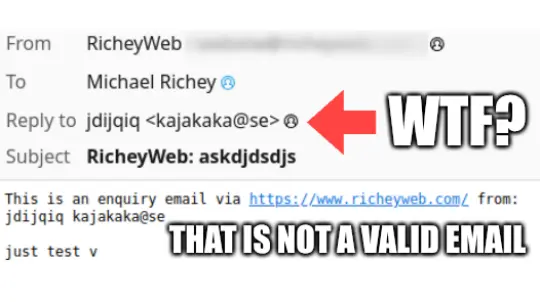
So, on May 25, 2025, I got this absolute gem of an email through my RicheyWeb contact form. Check this out: “From: RicheyWeb”, but the reply-to was “jdjiqk <kajakaka@se>”. Subject? “RICHEYWEB: askjdSjs”. Body? “This is an enquiry email via https://www.richeyweb.com/ from: jdjiqk kajakaka@se just test v”. I’ve dealt with spam before, but this one? This one pissed me off enough to actually do something about it.
Read more: One Sh*tty Email That Made Me Finally Do Something About Spam
Did I Just Solve Joomla Bot Spam With HashCash?

Eleven years ago, I stumbled across a technical paper from 2002 by Adam Back. It was about HashCash—a proof-of-work system designed to make spammers’ lives miserable by forcing their machines to grind through heavy calculations. I thought, “This could work for bot spam in Joomla forms,” and built my first Captcha - HashCash plugin. Little did I know, someone else had tried it before me—and their version vanished after landing on the CVE list in 2006. If I’d known, I might’ve picked a different name. But that’s ancient history, and my HashCash? It’s still kicking.
New for 2025

As I had mentioned recently, I am re-thinking my 2025 Joomla extension strategy. This begins with discontinuing extensions that don't make sense in Joomla 4 and 5. Many of my extensions are redundant (functionality has been included in the Joomla core), so I won't be updating them going forward. They will remain downloadable from my site, but won't receive any updates or support. Use at your own risk.
Search Engine Optimization: Google on AI and SEO Experts
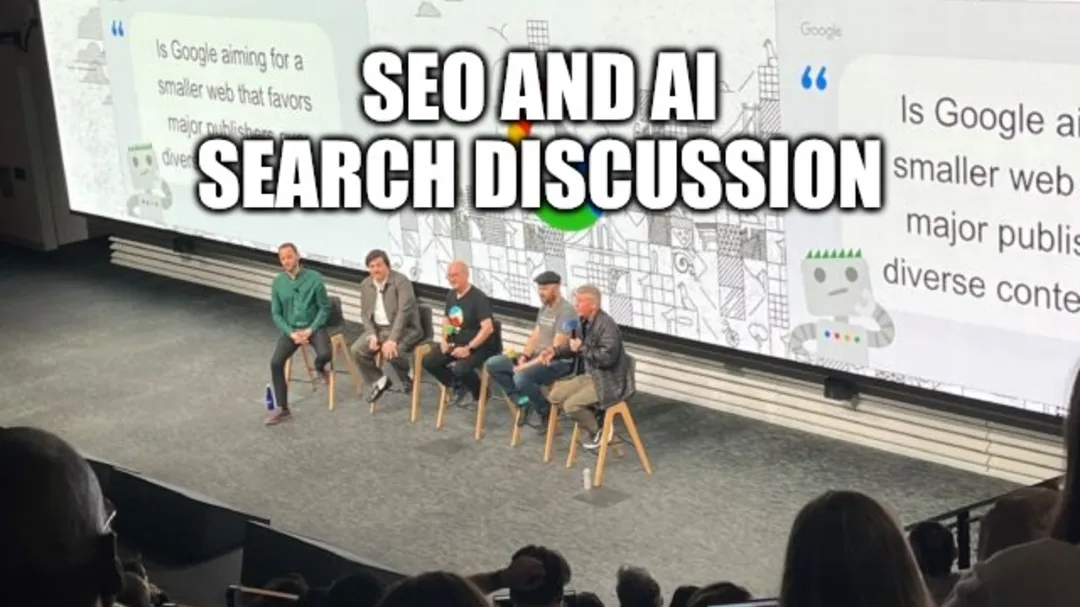
Google's Search Off the Record podcast, featuring Search Advocate John Mueller and Danny Sullivan, delivers a refreshing reality check: traditional Search Engine Optimization principles remain rock-solid, with the enduring emphasis on creating genuinely helpful, people-first content. Dismissing short-term hacks and overblown guarantees, the discussion reinforces that emerging AI-driven formats are simply extensions of core SEO, rewarding authenticity over gimmicks. Inspired by this candid insider perspective, this article distills official Google guidance into actionable strategies for optimizing your site, vetting SEO professionals wisely, and thriving in AI experiences—equipping small businesses and enterprises alike with a sustainable path forward.
Read more: Search Engine Optimization: Google on AI and SEO Experts
Cron vs Joomla Lazy Scheduler and WebCron

As a Joomla developer, I often leave local dev site tabs open in the background for hours, sometimes days. Recently, I switched back to one of these tabs for a quick check, with the DevTools Network panel open. To my horror, dozens, maybe over a hundred AJAX calls fired at once, flooding the network log. The browser froze, navigation stalled, and it took agonizing seconds to recover. “That’s why it’s so slow sometimes!” I realized, pinpointing Joomla’s Lazy Scheduler as the culprit, piling up tasks in the background. This frustrating experience reminded me of the tried and true solution: regular cron with Joomla’s scheduler:run CLI command.
AI Browsers Turn Users into Spies

As a software developer and web admin, AI is my secret weapon. I feed it code snippets, API docs, and debug prompts, churning out prototypes or fixes in minutes; hours of grunt work slashed. I've even built Joomla publishing tools that utilize AI: System - AI Meta. But I’m meticulous: sensitive configs stay air-gapped, proprietary datasets never touch the cloud. I’ve spent years fencing off crawlers like GPTBot, keeping client data out of AI training pipelines. AI browsers threaten to make that effort a complete waste of time.
Page 4 of 7