
If you're doing research into search engine optimization, you've likely heard about backlinks. They're often touted as a magic bullet for boosting your site's visibility, but here's the truth: backlinks are one of the most misunderstood elements of SEO. Many businesses either misuse them or overestimate their power, turning a potential asset into a liability. Let's unpack this critical aspect of digital marketing, focusing on how to leverage backlinks effectively for your website's growth.
As an SEO expert, I'm here to guide you through the maze of link building with practical insights and proven strategies, ensuring you prioritize quality and relevance over mere numbers.
The Double-Edged Sword of Backlinks in Search Engine Optimization
Backlinks, at their core, are links from other websites pointing to your own. They're a key factor in how Google Search Algorithm evaluates your site's credibility and relevance, often influencing your SERP ranking. However, not all backlinks are created equal. Many businesses fall into traps like over-optimizing their link profile or buying low-quality links at scale from sources like link farms or PBNs (Private Blog Networks). As noted in discussions on Reddit, some competitors seem to thrive with questionable tactics, yet Google's spam updates, such as the Google Penguin Update, have penalized thousands of sites for prioritizing volume over relevance. The reality is, if your link building strategies involve comment spam or irrelevant directories, you're risking more than just wasted effort; you're inviting toxic links that can harm your website authority.
The flip side? When done right, backlinks can significantly boost domain authority and page authority. A single link from a high-quality, niche-relevant source can outweigh hundreds of spammy ones, especially for newer sites looking for early visibility through improved website crawling and content indexing. The key is understanding that backlinks don't fix underlying issues; they amplify what's already working. If your on-page SEO or technical SEO isn't up to par, no amount of links will save your rankings.
The easy route quickly turns into the hard route when a Google update turns your black-hat tactic into a penalty.
Building a Strong Link Profile with Quality over Quantity
One principle stands above the rest in modern link building: quality over quantity. Instead of chasing countless links from low-value sources, focus on earning contextual links and editorial links from authoritative domains in your niche. According to Editorial.Link, a strong link profile includes diversity in link types, such as a mix of dofollow links and nofollow links, and comes from sites with high domain ratings. This not only enhances your reputation management but also signals to search engines that your site is a trusted resource. For instance, links from frequently crawled domains can speed up content indexing, giving newer websites a much-needed boost in organic traffic.
Avoid the pitfalls of agency-controlled links that might vanish or become liabilities later. Instead, invest in natural link acquisition by creating content that deserves to be linked to. This approach, often termed link earning, aligns with Google's preference for organic growth. Remember, Google Panda Update targets thin content, so pairing strong content strategy with selective link building is non-negotiable for sustainable results.
The Role of Niche Relevance and Contextual Links in Link Building
Relevance is everything when it comes to backlinks. A link from a site within your industry or related to your audience carries far more weight than a random directory listing. Niche relevance ensures that the linking site shares topical alignment with your content, reinforcing your site's authority in the eyes of search engines. As highlighted by Editorial.Link, relevant backlinks are a cornerstone of a robust link profile, often driving prequalified referral traffic alongside organic traffic.
Moreover, contextual links, those embedded naturally within relevant content, are gold. They're more likely to pass link equity and contribute to brand building than a standalone link in a sidebar or footer. When planning your off-page SEO, prioritize opportunities like guest posts or editorial placements where your link fits seamlessly into the surrounding text. Be cautious of anchor text over-optimization, a point stressed in LinkedIn, which can trigger penalties if too many links use exact-match keywords. Diversify your anchor text with branded terms, URLs, and generic phrases to maintain a natural look.
Addressing User Intent and Technical SEO Before Link Building
Before you even think about link velocity or outreach, ensure your website satisfies user intent. If your pages don't answer the questions or solve the problems your audience has, backlinks will only amplify the disconnect. Start with a thorough SEO audit to fix technical SEO issues like site speed, mobile-friendliness, and crawl errors. These elements lay the groundwork for effective content marketing and ensure that when links drive traffic, visitors stick around.
As discussions on Reddit suggest, many companies question whether to prioritize backlinks over content. The consensus? Content comes first. Without valuable, intent-driven content, even the best competitor backlinks won't yield long-term results. Focus on holistic on-page SEO, crafting pages that serve your audience, and then use link building to scale that value. This approach ensures you're not just chasing rankings but building a site that genuinely helps users.
Avoiding Pitfalls: Link Farms, Toxic Links, and Regular Link Audits
The dark side of link building includes tactics like link farms and PBNs, which are groups of sites created solely to link to each other for artificial ranking boosts. As detailed in Wikipedia, these practices are a form of spamdexing, often leading to severe penalties from search engines. Google's algorithms have evolved to detect and devalue such schemes, making them a risky bet for any serious business. Similarly, beware of comment spam and irrelevant directories that add no real value and can tarnish your link profile.
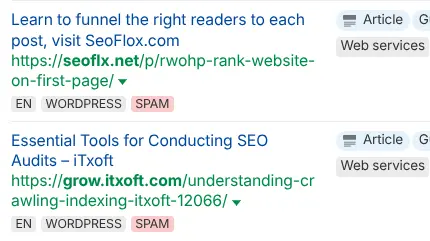
To stay safe, conduct regular link audits to identify and disavow toxic links. Tools like Ahrefs or SEMrush can help you spot suspicious patterns, such as unnatural spikes in link velocity or links from low-quality domains. As recommended by experts in Editorial.Link, proactive management of your backlink portfolio, including disavowing harmful links via Google Search Console, is crucial to maintaining a healthy online presence. This diligence protects your site from penalties and supports long-term reputation management.
Mastering Backlinks for Sustainable SEO Success
Backlinks remain a powerful tool in search engine optimization, but only when approached with strategy and care. They aren't a shortcut to success; they’re a multiplier of the quality already present on your site. By focusing on quality over quantity, ensuring niche relevance, and prioritizing user intent alongside technical SEO, you can turn backlinks into a genuine asset. Avoid the traps of link farms, toxic links, and over-optimization by embracing natural link earning and regular link audits. With insights from sources like LinkedIn and Editorial.Link, it's clear that a balanced, ethical approach to link building strategies is the path to sustainable growth in organic traffic and SERP ranking.
Ready to elevate your SEO game? Start by crafting exceptional content, then build links that truly matter.
Backlinks are links from other websites pointing to your own site. They are crucial for SEO because they signal to search engines like Google that your site is credible and relevant, often influencing your position in search engine results pages (SERP). High-quality backlinks can boost domain and page authority, driving organic traffic and enhancing visibility. Backlinks are misunderstood because many businesses overestimate their power as a quick fix for rankings or misuse them by focusing on quantity over quality. Tactics like buying low-quality links or using link farms can lead to penalties from search engines, undermining the true value of strategic, relevant link building. Quality in link building refers to obtaining links from authoritative, relevant sources that enhance your site's credibility, while quantity focuses on amassing many links regardless of their value. Prioritizing quality over quantity ensures sustainable SEO benefits, avoiding penalties from spammy or irrelevant links. Niche relevance significantly boosts backlink effectiveness by ensuring the linking site aligns with your industry or audience. Relevant backlinks reinforce your site's topical authority, pass more link equity, and often drive prequalified referral traffic, making them more valuable than unrelated links. Contextual links are links embedded naturally within relevant content, such as in articles or blog posts, rather than in sidebars or footers. They matter because they are more likely to pass link equity, enhance user experience, and contribute to brand credibility compared to non-contextual placements. Addressing user intent before focusing on backlinks ensures your website content meets the needs and queries of your audience. Without intent-driven content, backlinks may drive traffic to pages that fail to engage visitors, wasting potential and harming long-term SEO performance. Link farms are groups of websites created solely to link to each other to artificially boost search rankings. They should be avoided because they are considered spamdexing by search engines like Google, often leading to penalties that can severely damage your site's credibility and rankings. Toxic links from low-quality, spammy, or irrelevant sites can harm your website's SEO by reducing your site's credibility in the eyes of search engines. They may trigger algorithmic penalties or manual actions, leading to lower rankings and loss of organic traffic. Regular link audits help identify and disavow toxic or harmful links that could damage your site's SEO performance. They allow you to monitor link velocity, spot unnatural patterns, and maintain a healthy link profile, protecting your site from penalties and supporting reputation management. Anchor text over-optimization occurs when too many backlinks use the same exact-match keywords, which can appear manipulative to search engines. This can trigger penalties, such as those from Google's Penguin update, reducing link equity and harming your rankings if not diversified with branded or generic terms.Frequently Asked Questions:
What are backlinks and why are they important for SEO?
Why are backlinks considered a misunderstood part of SEO?
What is the difference between quality and quantity in link building?
How does niche relevance impact the effectiveness of backlinks?
What are contextual links and why do they matter?
Why should user intent be addressed before focusing on backlinks?
What are link farms and why should they be avoided?
How can toxic links harm your website's SEO performance?
What is the purpose of conducting regular link audits?
How can anchor text over-optimization affect your SEO strategy?
